Who I Am
I’m Richard Wood — a lifelong Design & Technology practitioner, curriculum designer, senior leader, mentor, and maker. My career has been shaped by a simple belief: young people learn best when they are invited to think and make, to explore and construct, to imagine and test.
Across classrooms, workshops, studios, and leadership roles, I’ve championed an approach to learning that is practical, purposeful, and deeply human. I’ve seen how powerful it is when learners are given the tools, the space, and the confidence to shape ideas into reality.
My Philosophy: Learning Through Synthesis
At the heart of my work is synthesis — the ability to bring together ideas, materials, technologies, and human experience to create something more meaningful than the parts.
Design and Technology is uniquely placed to cultivate this. It is not simply a subject; it is a way of seeing and engaging with the world. A discipline where:
Creativity meets rigour
Thinking meets making
Curiosity meets craft
Iteration builds understanding
Purpose drives design
Young people thrive when they learn to navigate this space — when they discover that ideas gain power through action, and that making is a form of thinking
Design and Technology in Education
Reimagined

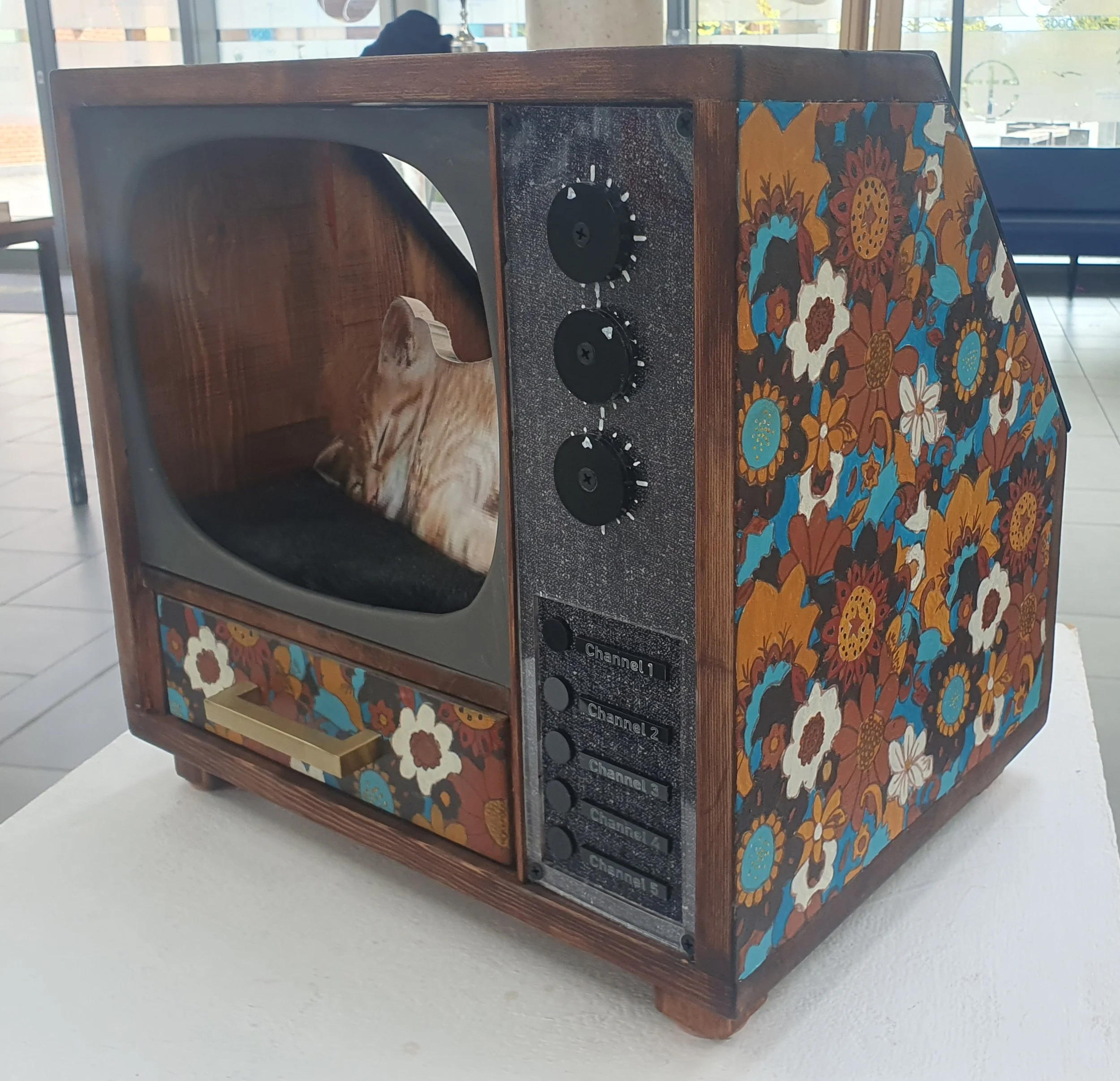
What I Stand For
1. Practical, Authentic Learning
Real materials, real tools, real problems. Learning becomes meaningful when it connects to the world beyond the classroom — when students feel the weight, texture, resistance, and possibility of the things they work with.
2. Creativity With Structure
Great design is not accidental. It emerges from disciplined exploration, thoughtful iteration, and the courage to refine. I help learners understand that creativity is a process, not a moment.
3. Purposeful Design
Design is ultimately about people. Whether a product, system, or experience, the work must serve a need, solve a problem, or enrich someone’s life. I teach learners to design with empathy, clarity, and intention.
4. Confidence Through Making
There is a unique confidence that comes from creating something that didn’t exist before. I’ve seen how making empowers young people — giving them agency, resilience, and a sense of capability that carries far beyond DT.
5. Mentoring the Whole Learner
My work extends beyond technical skill. I support young people in developing identity, independence, and self-belief. The workshop becomes a place where they learn not just how to make things, but how to make decisions, take risks, and trust themselves.
ENDORSEMENT
“Richard developed a coherent, ambitious Design & Technology curriculum from Year 9 to Year 13, combining deep subject knowledge with a clear vision for progression. His thoughtful, research‑informed approach and commitment to high‑quality DT education made a significant impact.”
Tom Neill - Headteacher, Queen Elizabeth’s School
What I Offer
I now bring this philosophy into new spaces:
mentoring young people and adults
supporting schools and educators
contributing to curriculum thinking
engaging in hands‑on creative and practical work
exploring design‑led personal projects
My work remains rooted in the same principle: helping people turn ideas into direction.
Closing Statement
Design and Technology in Education — Reimagined, is more than a strap line. It is the culmination of a career spent exploring how young people learn, create, and grow.
It is a commitment to learning that is thoughtful, practical, human, and transformative. It is a belief that every learner has the potential to shape their world — and that design is one of the most powerful ways to unlock that potential.
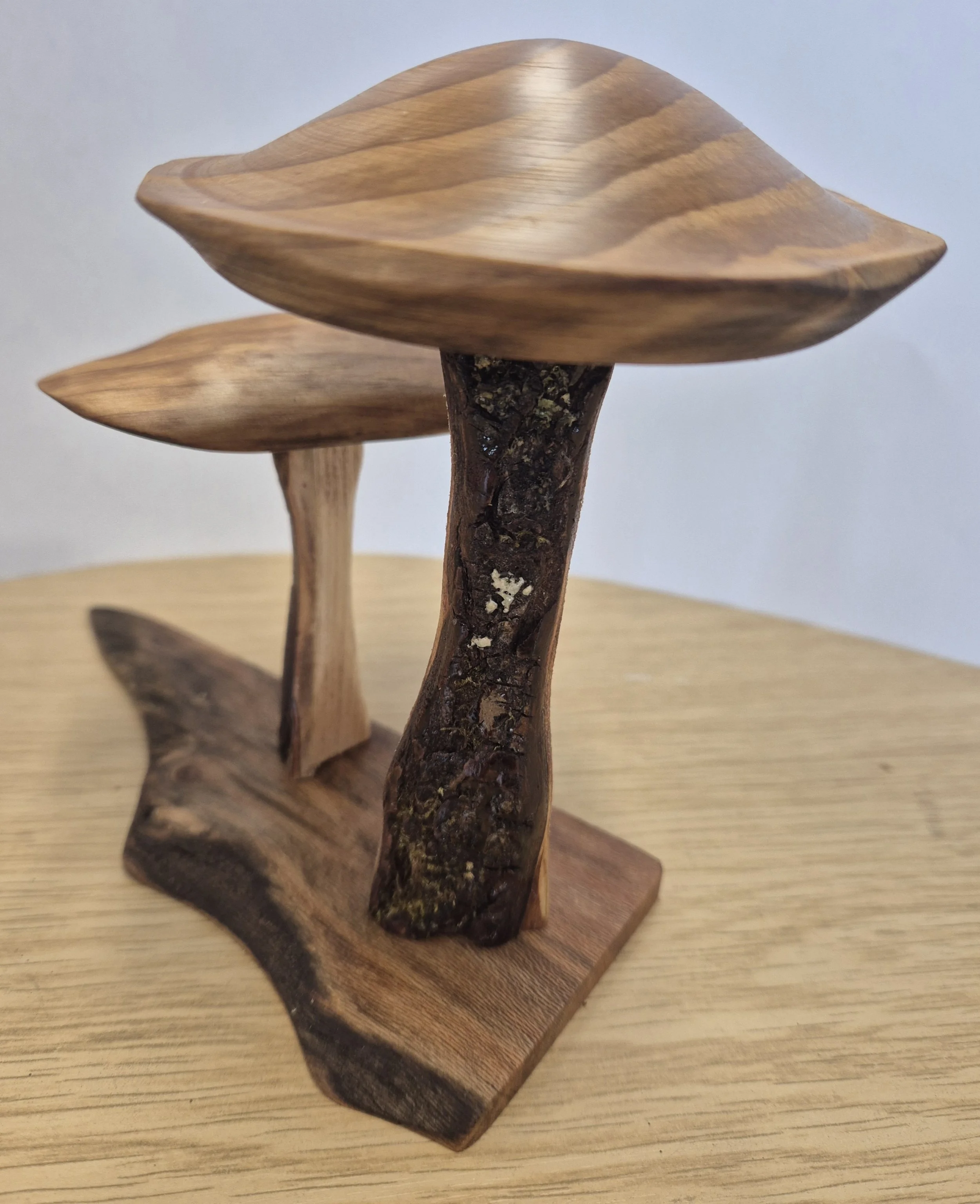
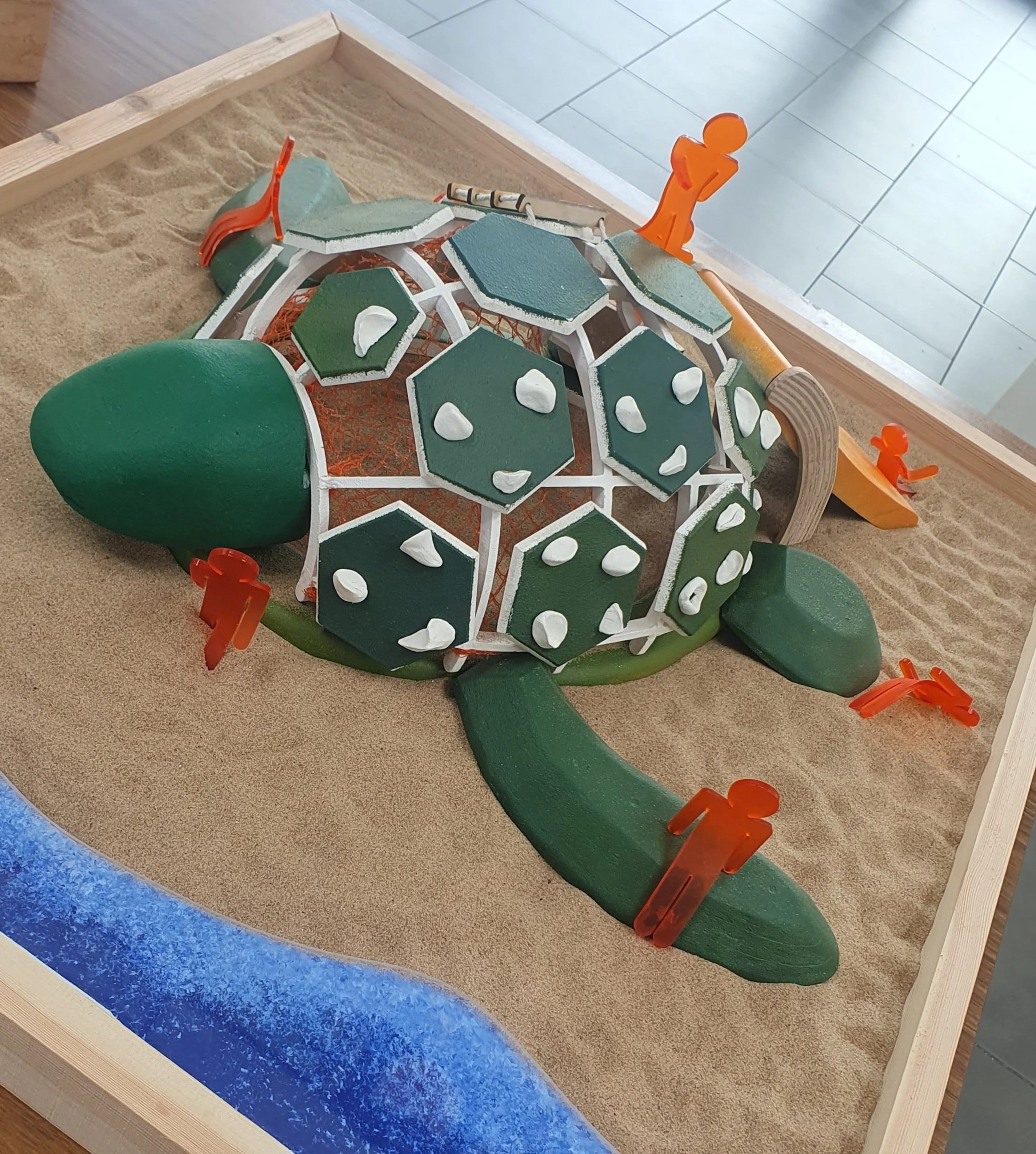

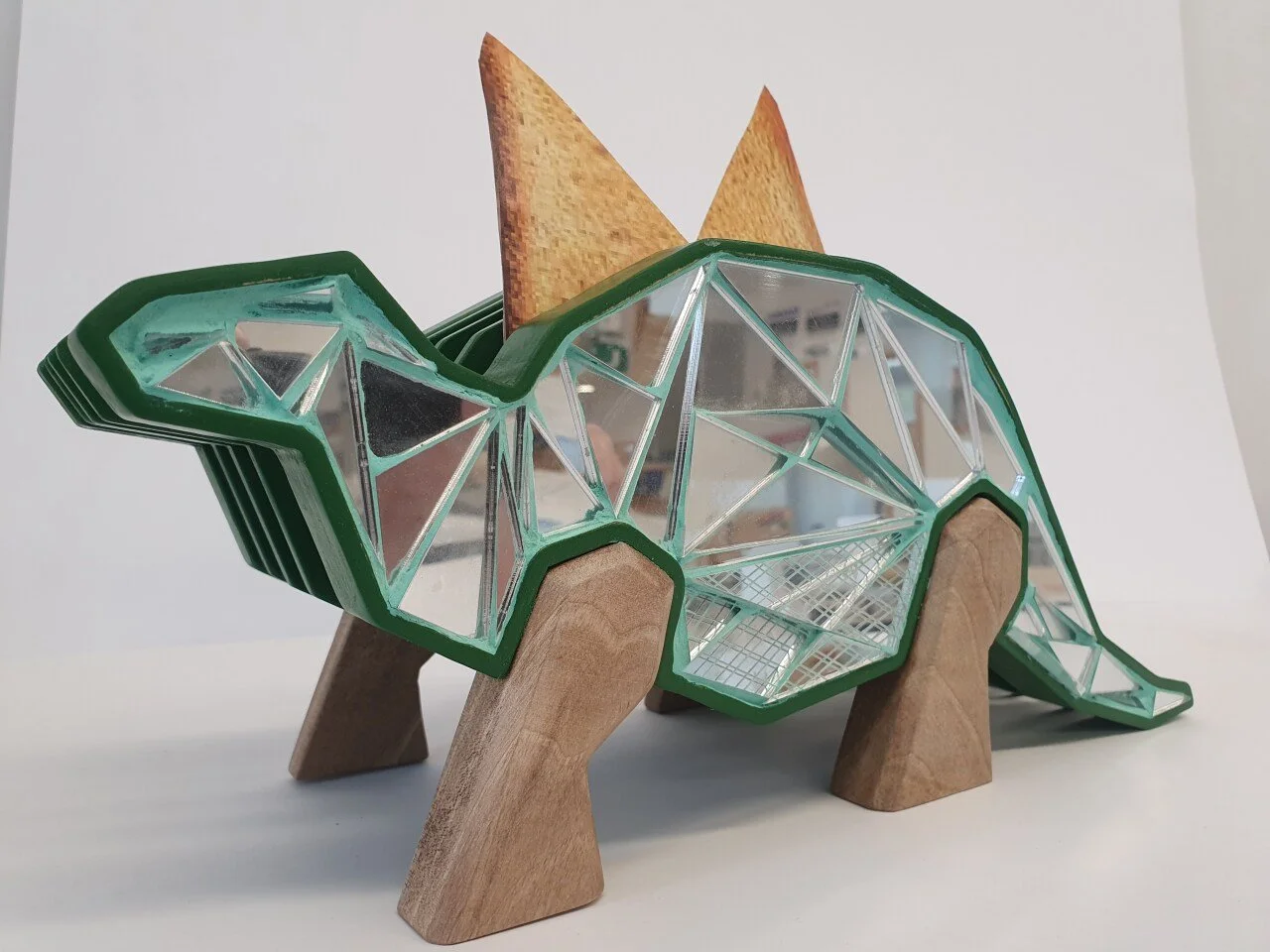

My Approach in Practice
Whether I’m designing curriculum, leading a faculty, mentoring a young person, or working hands‑on in the workshop, my approach is consistent:
Start with curiosity
Build understanding through doing
Encourage iteration, not perfection
Connect learning to real purpose
Create space for independence and discovery
Celebrate the process as much as the outcome
This is Design and Technology reimagined — not as a timetable slot, but as a transformative way of learning.
Why This Matters
In a world shaped by complexity, uncertainty, and rapid change, young people need more than knowledge. They need the ability to:
Think critically
Make decisions
Work with materials and technologies
Solve problems creatively
Communicate ideas with clarity
Adapt, iterate, and persist
Design and Technology develops these capabilities in ways few other disciplines can. It gives learners a sense of agency — the belief that they can shape their world rather than simply navigate it.